Pelvic Floor Weakness & Incontinence

Managing Pelvic Floor Weakness & Incontinence

At Physio Valay, we offer specialized treatment for pelvic floor weakness and incontinence. Our approach focuses on strengthening the pelvic floor muscles and addressing the underlying issues that contribute to these conditions. With personalized therapy plans that may include exercises, education, and support, we aim to help you regain control, improve quality of life, and achieve long-term relief.

About

Pelvic Floor Weakness & Incontinence

Best Physiotherapy Services in Lahore, Pakistan

Understanding and Managing Pelvic Floor Weakness & Incontinence with Physio Valay

Pelvic floor weakness can lead to symptoms such as urinary incontinence, pelvic pain, and decreased quality of life. This condition can result from childbirth, aging, or other factors that affect the pelvic muscles.

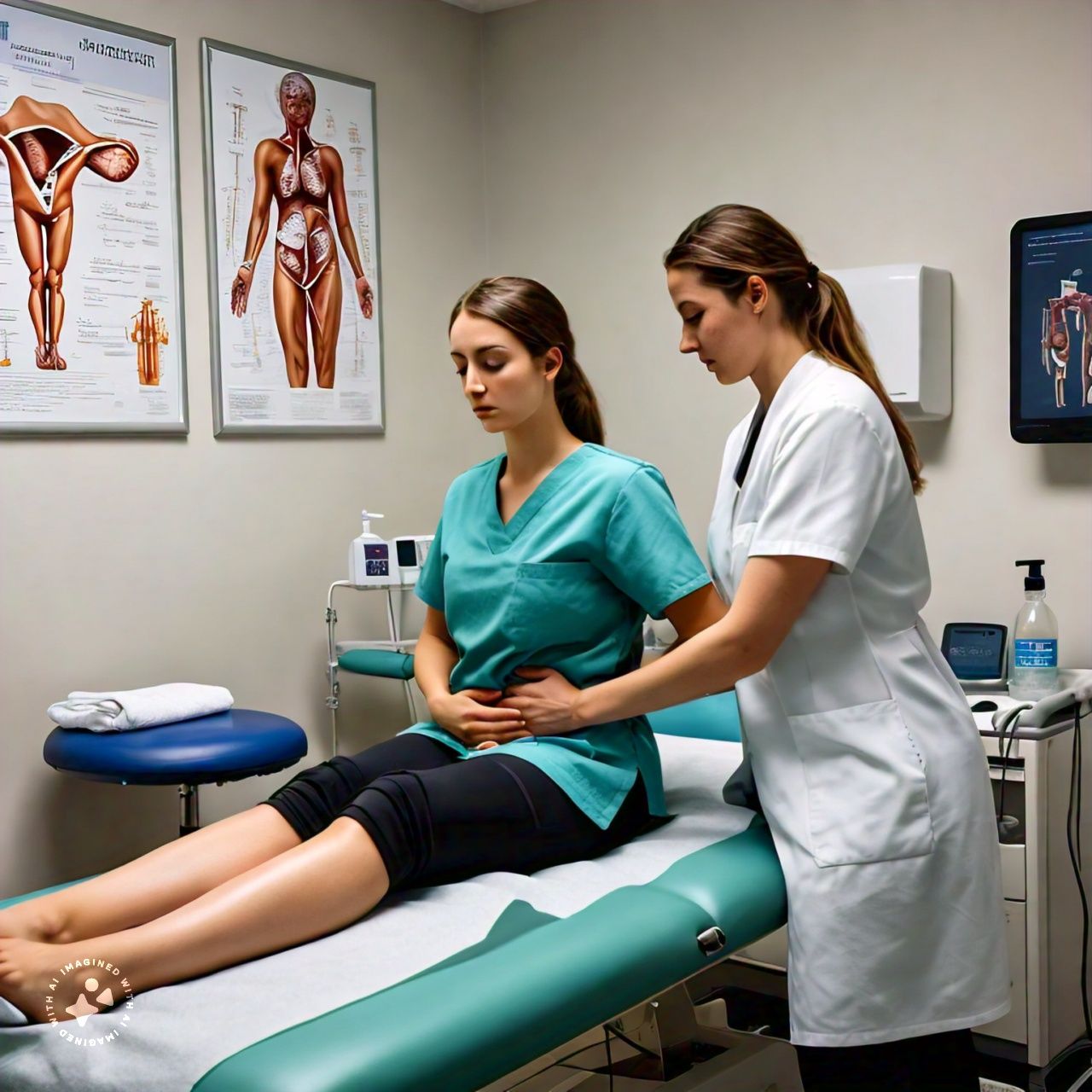
At Physio Valay, we offer a comprehensive assessment to understand the extent of pelvic floor weakness and its impact on your daily life. Our treatment plans are tailored to strengthen the pelvic muscles, improve coordination, and address any related issues such as incontinence.

Our approach includes a range of techniques such as pelvic floor exercises, biofeedback, and education on proper body mechanics. We work closely with you to develop a personalized plan that promotes recovery and enhances your overall well-being.

Expert physiotherapists with specialized training in pelvic health.

Evidence-based treatments to address and manage symptoms effectively.

Supportive care with a focus on improving quality of life and function.
Some Important Frequently Asked Questions

Related To Pelvic Floor Weakness & Incontinence

Pelvic floor weakness can be caused by various factors including childbirth, aging, obesity, chronic constipation, and hormonal changes. These factors can affect the muscles and tissues that support the pelvic organs, leading to symptoms like urinary incontinence.

Physical therapy can help by strengthening the pelvic floor muscles through targeted exercises. Techniques such as pelvic floor muscle training, biofeedback, and education on bladder and bowel habits can improve muscle control and reduce symptoms of incontinence.

You should consider physical therapy if you experience persistent symptoms of pelvic floor weakness or incontinence that impact your daily life. Early intervention can help manage symptoms effectively and prevent further complications.